
Safety around water is everyone's job.
Families of autistic learners need support around water, but most of the professionals around them were never trained for it. The BRIDGE to Safety Framework™ helps behavior analysts and aquatic professionals build water safety skills that carry from home to the community.
Safety around water shouldn't mean missing out
Among children with autism, drowning is the leading cause of death through age 14.
A far too common story includes parents enrolling in swim lessons and missing the fine print, we don't have the means to accommodate.
Without consistently waiting before entering the water, staying with a trusted adult, or getting out when it's time, every outing near water starts to feel like too big a risk. So they start saying no. No to the pool party. No to the boat. No to the lake with cousins. Not because they want to, but because they haven't had the right support yet.
Who do we serve?
Behavior Analysts
You already assess behavior, modify environments, and train caregivers, but most of that training doesn't include safety skills around water. The BRIDGE to Safety Framework™ shows you how to build water safety into your clients' routines, using the skills you already have. You're already part of the solution.
Aquatic Professionals:
The aquatic industry standard doesn't always include neurodivergent learners, and challenging behavior can increase the risk of drowning. We're building resources to help aquatic professionals support autistic swimmers, so every learner has a place in the pool. Coming soon!

Parents & Caregivers:
Water safety starts in everyday routines like bath time, handwashing, and trips to the pool. Join our newsletter for practical tips you can use at home and share with your child's BCBA.
We've been on both sides of the pool deck
We've seen barriers like sensory sensitivities, difficulty following directions, and wandering stop children from being successful in swim lessons. We've also heard parents share their fear of water, along with the embarrassment and disappointment of failed swim lessons. Without the confidence or skills to know how to respond, that fear can limit the family's water activities, leading to isolation. If you've heard these same worries from families on your caseload, you're not alone.
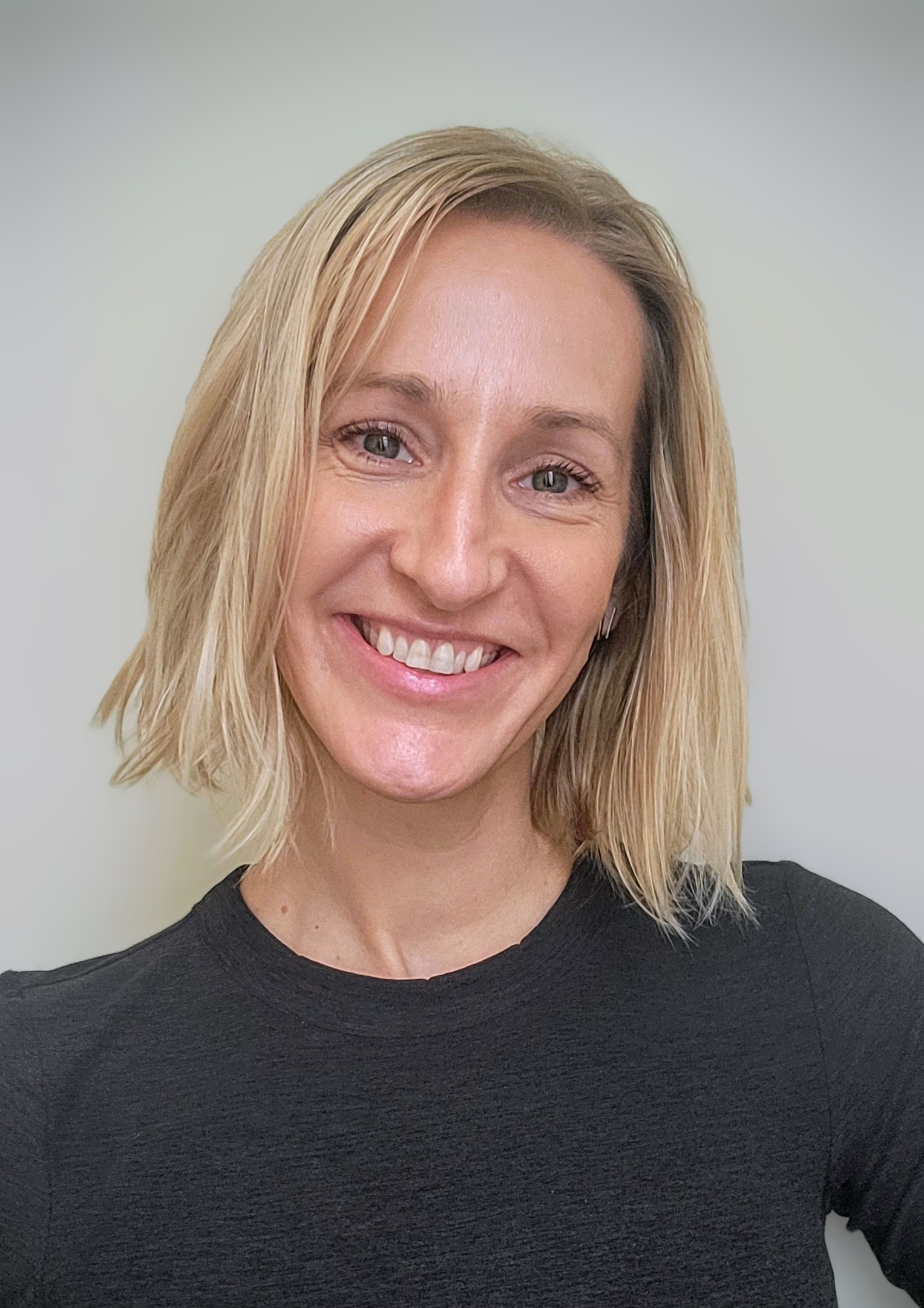
Brea Merhar is a Board Certified Behavior Analyst and swim instructor who blends behavior science with swim instruction, targeting why a behavior is happening, followed by teaching the skills learners need to stay safe and succeed in the water. She built the BRIDGE to Safety Framework™ to share that approach, so the professionals families already trust, like you, can be part of the solution.
Brea Merhar
MA, BCBA, LBA-MN | Swim instructor
Getting started is simple
1. Explore the BRIDGE to Safety Certification
See how water safety fits into the work you already do.
2. Get the tools and earn your credential
Work through all six domains of the BRIDGE to Safety Framework™ at your own pace, with screening tools, goal examples, and resources you can use with clients right away, and earn your water safety certification (BRIDGE-WSC).
3. Bring it to your clients
Build safety skills into everyday routines, from home to the community.

What makes us different?
Most water safety programs start at the pool. We start with the learner. Water safety risk shows up in everyday routines like the bathroom sink, the drinking fountain, and the puddle in the parking lot, so we build safety skills in the home, clinic, school, and community that carry all the way into the water.
Our approach: location + behavior + context.
What success looks like
What changes when everyone is part of the solution
✔️ Behavior analysts answer parents' water safety questions with a plan, not just a referral to swim lessons
✔️ Families start saying yes to swim lessons, pool parties, and water-based activities together
✔️ Learners practice safety skills that carry from home to the community
✔️ Behavior analysts and aquatic professionals work as a team
No family should have to figure out safety around water alone.
Featured On:
FAQ
What is a BCBA?
A Board Certified Behavior Analyst® (BCBA®) is an independent practitioner trained in the science of why people do what they do, and how to build skills effectively for real life.
Behavior analysts work across a wide range of settings, but they're most commonly known for supporting autistic individuals and others who may learn differently. Their job is to figure out why a behavior is happening and what conditions make learning more or less likely — then use that information to build effective, evidence-based teaching plans.
Why are autistic children at higher drowning risk?
Autistic children are at higher risk of drowning because many are naturally drawn to water, may wander away from safe adults, and often do not fully recognize water dangers or know how to respond in an emergency. Among children with autism, drowning is the leading cause of death through 14 years old. With the right awareness, supervision, and early water-safety teaching, families can still enjoy water more safely.
What is “wandering” or “elopement,” and how does it relate to drowning?
“Wandering” (also called “elopement”) means a child leaves a safe place or trusted adult without warning or permission. Many autistic children wander quietly and quickly, especially during transitions, stress, or changes in routine.
What is the 'BRIDGE to Safety' Framework?
The BRIDGE to Safety Framework™ is a water safety education framework through a behavior lens. It covers six domains: Behavior, Recognize Risk, Instruction, Design Environment, Generalize Skills, and Enjoyment and Motivation.
Join our Newsletter!
We would love for you to join our community! Tips, resources, and updates for behavior analysts, aquatic professionals, and families, sent straight to your inbox.



Blended Aquatics LLC
Minneapolis, MN, U.S.A.
All Rights Reserved ©2026 Blended Aquatics